
Deciding between boat repower and engine rebuild for long-term savings
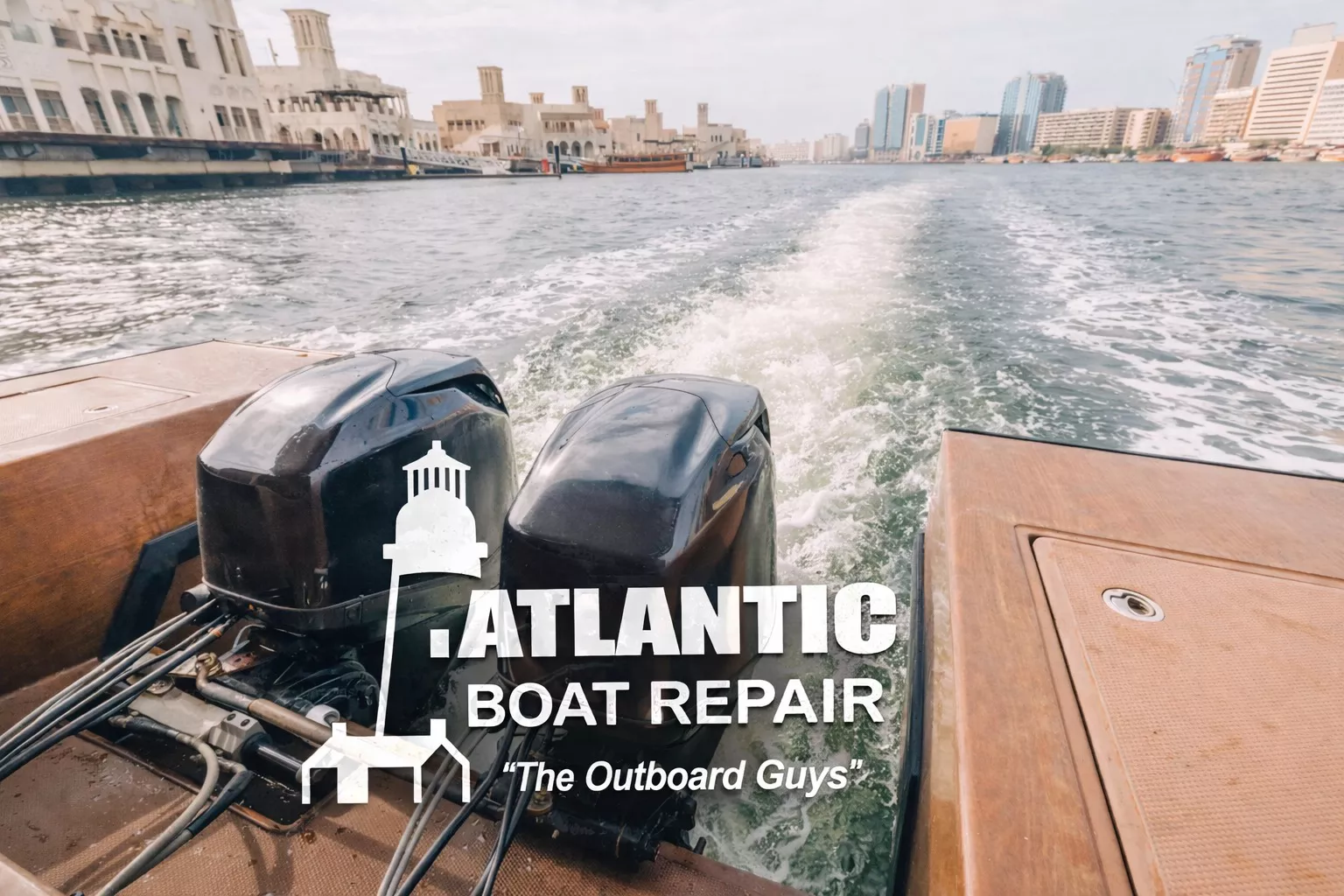
If your outboard is getting tired, you’re usually staring at two big options: rebuild what you have or repower with a different motor. Both paths can be smart, but they pay off in different ways over the next 5–10 years.For many Massachusetts boaters, the “cheapest” option upfront isn’t the lowest-cost option long term—especially when reliability, parts availability, fuel efficiency, and resale value are part of the equation. Below is a practical framework Atlantic Boat Repair uses to help owners compare boat repower cost vs. outboard rebuild cost, including when remanufactured or pre-owned outboards can make sense and where Tohatsu repower options fit in.(And if you’re here with MA service questions about scheduling, seasonal timing, or what your boat actually needs next, this should help you sort the priorities.)
What “rebuild” and “repower” really mean
An engine “rebuild” can range from modest to extensive. Some shops use the term for anything from powerhead work to a full teardown with machining. In practice, many owners also lump in related engine tune-ups—but tune-ups aren’t the same as true internal engine rebuilds.A “repower” typically means replacing the outboard (same brand or different), often along with controls, rigging, gauges, prop selection, and sometimes steering—depending on compatibility and condition. This is the core of professional boat repower services, and it’s where good planning (and clean rigging) saves real money over time.
Prices vary by horsepower, rigging complexity, corrosion, and what you discover after teardown. Still, most long-term decisions come down to the same set of drivers:
- Downtime and season timing: A rebuild can be fast if it’s minor, or it can drag on if parts are backordered or machining is needed. A repower is often more predictable once the right motor is sourced—especially when you’re working with a dedicated MA outboard motor service team that’s used to tight New England timelines.
- Saltwater corrosion and aging rigging: In coastal MA, older harnesses, controls, and hardware can turn a “simple” job into a cascade of fixes (and repair costs).
- Parts availability: Some older models have limited parts support. That pushes the math toward repower.
- Reliability curve: A rebuilt powerhead doesn’t automatically reset the clock on the rest of the motor (gearcase, trim/tilt, wiring, fuel system).
- Resale value: Buyers pay for confidence—often a newer motor with documentation and a warranty path.
When an outboard rebuild tends to pay off
A rebuild can be the right call when the motor is otherwise solid and the failure is specific and contained.
Rebuild is often worth it if
- The gearcase and midsection are healthy (no chronic water intrusion, metal-on-drain-plug surprises, or repeated seal failures).
- You have a known service history and the engine has been maintained consistently (including routine engine tune-ups).
- The issue is isolated (for example, a top-end problem caught early rather than a long-running overheat or lubrication failure).
- Your rigging is in good shape and you don’t need to modernize controls, gauges, or steering.
- You don’t plan to sell soon and you can tolerate some risk of “the next thing” failing on an older motor.
A rebuild is also attractive for owners who put fewer hours on the boat each season and mainly need the engine to be dependable for short runs—assuming the underlying structure of the motor is still strong.
When repowering your boat is worth it
Repower starts to look better when you zoom out to total ownership cost: fewer surprise repairs, better fuel economy (often), and higher confidence on the water.
Repower is often worth it if
- You’ve had repeat failures (electrical gremlins, intermittent alarms, chronic fuel issues, repeated cooling problems).
- Compression is uneven across cylinders or the motor has clear signs of internal wear plus external aging.
- Your current outboard is near the end of practical support (hard-to-find parts, discontinued components).
- You want warranty-backed reliability and plan to keep the boat several more seasons.
- You need a performance change (better hole shot, improved cruising efficiency, improved control at low speed).
In MA, repower can also be a smart “season saver” when a mid-summer failure would otherwise cost you most of the boating year.
Comparing options: new vs. remanufactured vs. used outboards
Not every repower has to mean “brand new.” Remanufactured and used outboards can be the right move if you approach them with clear standards—especially if you’re choosing between boat repower companies or deciding whether to call the outboard guys you trust locally.
Tohatsu repower options are popular in many practical repower scenarios because they can deliver solid value in the right setup—especially when you’re prioritizing dependable performance, straightforward ownership, and a clean installation.To decide if a Tohatsu repower is right for your boat, the key is matching:
- Horsepower to hull rating and typical load
- Shaft length and transom setup
- Prop selection for your real-world cruising rpm
- Controls and rigging compatibility
A good repower isn’t just “bolting on horsepower.” The long-term savings come from a motor that runs in the correct rpm range, cools properly, and is rigged cleanly so you’re not chasing electrical or fuel issues later.
The hidden costs that can flip the decision
Many owners compare rebuild labor to repower price and miss the line items that actually decide the long-term cost.
Common “gotchas” to include in your math
- Rigging updates (controls, harnesses, gauges)
- Steering condition (cable wear, hydraulics performance)
- Fuel system cleanup (contaminated tanks, old lines, water separators)
- Prop changes (pitch and diameter often need to change with a different motor)
- Battery and charging compatibility
- Transom condition (soft wood, stress cracks, mounting height corrections)
- Trailer setup (if the new motor changes stern weight)
If several of these are already on your near-term to-do list, repower may be less of a leap than it looks.
At Atlantic Boat Repair, we typically walk owners through:
- Diagnostic confirmation (so you’re not rebuilding the wrong problem)
- Condition check beyond the powerhead (gearcase, cooling, trim/tilt, wiring)
- Rigging and compatibility review (what can be reused safely vs. what will cause repeat failures)
- Repower planning (including Tohatsu repower options, plus remanufactured or used outboard pathways when appropriate)
- Prop and setup recommendations to protect the motor and improve real-world performance
If you’re deciding between a boat engine repower and an outboard rebuild in Massachusetts, the goal isn’t just to get running again—it’s to reduce the cost per season and increase your confidence every time you leave the dock.If you also need related support beyond the motor—think MA boat hauling services, MA boat trailer repair, MA boat fiberglass repair, bottom painting, electronics installs, or even a broader full service facility / full service marina approach—getting those items scoped early can prevent expensive surprises. The same goes for seasonal planning like expert boat winterization services and MA secured boat storage services (basic boat storage can be fine, but secured storage matters for many owners).For on-the-water emergencies that impact your season, some yards can coordinate battery jumps, fuel delivery, soft ungroundings, and salvage assistance as part of their broader repair services network—useful context when you’re weighing reliability over the next several seasons.re: confidence—what ultimately matters is the setup that best powers your boating need, whether that’s staying with an outboard, considering an inboard platform on a different hull, or working with boat repower pros on clean repower installations that protect long-term value (including for pre-owned boats). Some owners even compare notes with Atlantic Boats and other local ship shops as a practical boating resource; others ask for specific guidance from experienced hands like Captain Shawn Brule when they’re trying to make the right call.
Comments
Be the first to comment on this article!