
From Spark Plugs to Circuits: Your Outboard Repair Handbook
Why Your Outboard Motor Needs Proper Care and Attention
Outboard boat motors repair is essential knowledge for every boat owner who wants to avoid being stranded on the water. Whether you're dealing with starting problems, loss of power, overheating, or strange noises, understanding the basics of diagnosis and maintenance can save you hundreds—even thousands—of dollars in repairs.
Quick Guide to Common Outboard Motor Repairs:
- Starting Problems - Check battery, fuel lines, kill switch, and spark plugs
- Loss of Power - Inspect propeller, fuel filter, and check for blockages
- Overheating - Verify water pump output and look for cooling system blockages
- Strange Noises - May indicate internal damage requiring professional diagnosis
- Fuel Issues - Check for water contamination, clean fuel filters, and inspect lines
- Routine Maintenance - Flush after every use, change oil every 100 hours, replace impeller annually
Your outboard motor operates in one of the harshest environments imaginable. As the research shows, the combination of heat, humidity, salt, and UV rays puts tremendous strain on every component. Add cold weather storage to the mix, and you've got a recipe for problems if you don't stay on top of maintenance.
The good news? Regular maintenance not only ensures reliability but also contributes to safe and enjoyable boating experiences. Many of the most common outboard problems—from fuel system clogs to spark plug wear—can be prevented with simple, routine care. And when you address minor issues promptly, we avoid the major engine damage that leads to costly repairs.
This guide will walk you through everything you need to know about keeping your outboard running smoothly. We'll cover how to diagnose common problems, which tasks you can handle yourself, and when it's time to call in a professional marine mechanic. Whether you're a seasoned boater or new to outboard ownership, you'll learn practical steps to extend your engine's life and avoid being stranded at the worst possible moment.
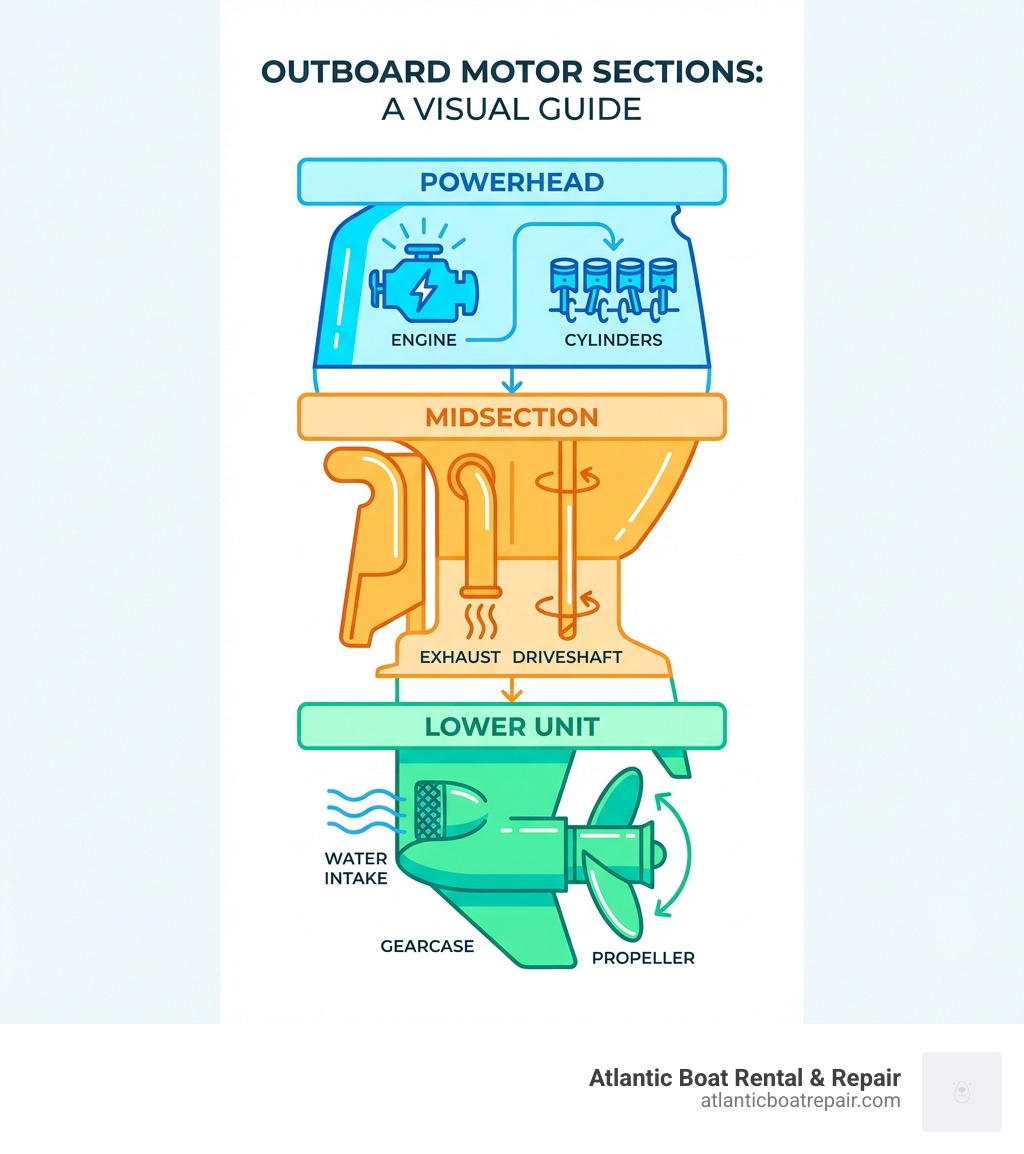
Diagnosing Common Outboard Motor Ailments
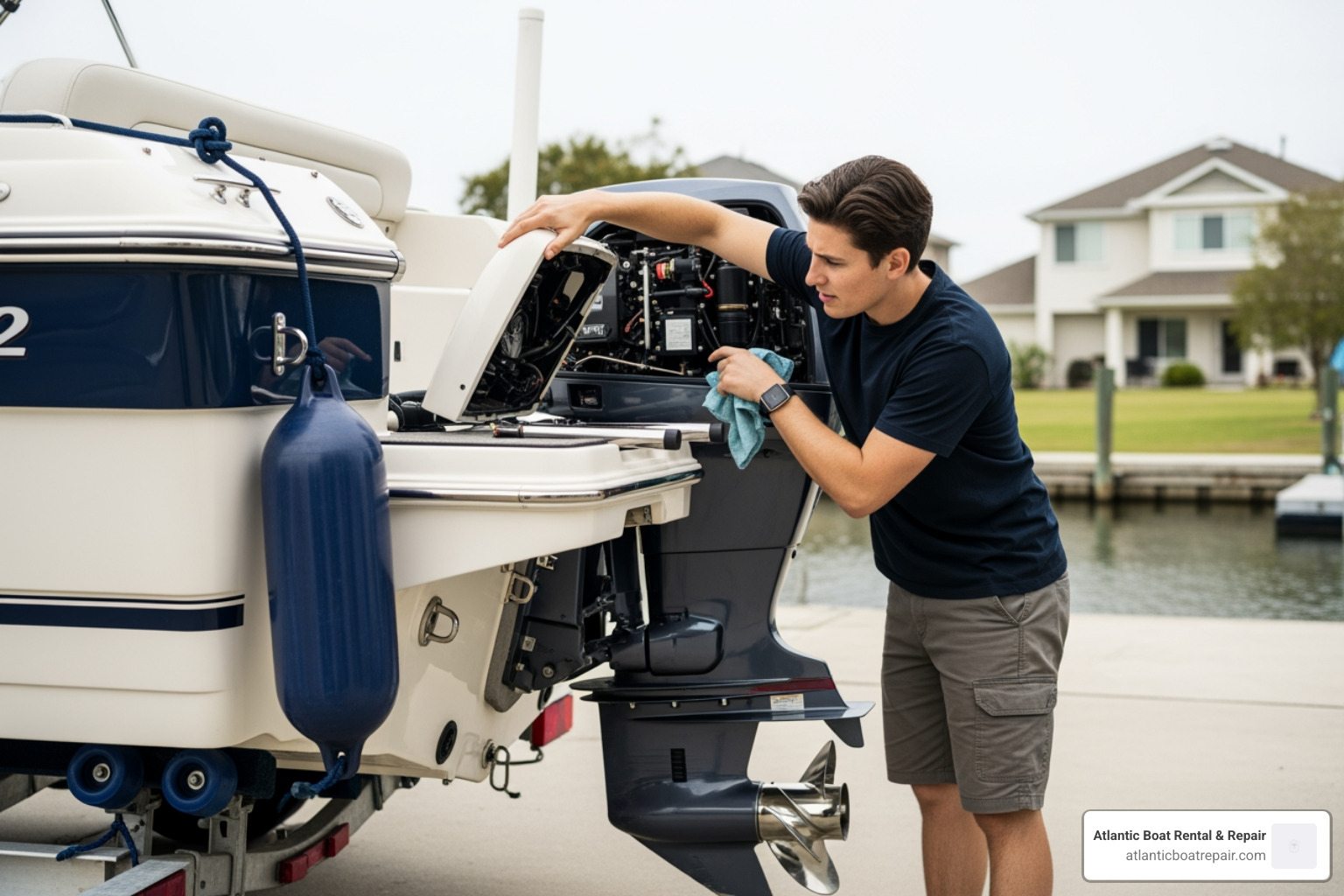
Imagine a perfect day out on the water, the sun shining, the breeze just right. Then, click, click, click goes the starter, and your engine decides it's taking a personal day. Or perhaps you're cruising along, and suddenly, you feel a noticeable drop in power. These are just a few of the common issues that can turn a great day into a frustrating one. Understanding these symptoms is the first step toward effective outboard boat motors repair.
Here's a closer look at the most frequent culprits behind outboard motor woes:
- Starting Problems: The most common and often the most frustrating issue. It can range from a simple forgotten kill switch to more complex fuel or electrical system failures.
- Loss of Power: Your engine might sputter, lose RPMs, or simply not reach its usual top speed. This can indicate issues with fuel delivery, ignition, or even propeller damage.
- Overheating: A warning light, steam from the engine, or a sudden shutdown are all signs your engine is running too hot. This is a critical issue that needs immediate attention to prevent severe damage.
- Strange Noises: Clunks, grinding, knocking, or excessive vibrations are never good news. These noises can point to problems within the gearcase, powerhead, or other mechanical components.
- Excessive Smoke: While some smoke is normal on start-up for two-stroke engines, persistent or unusually colored smoke (blue, white, or black) can signal internal engine problems, such as burning oil or rich fuel mixtures.
- Fuel System Issues: Modern fuels, especially those with ethanol, can wreak havoc on an outboard's fuel system. Clogged filters, contaminated fuel, or a faulty fuel pump can lead to a host of performance problems.
What to Do for Starting Problems
When your outboard motor refuses to spring to life, it can feel like a personal affront. But don't despair! Many starting problems have straightforward solutions. Here's our step-by-step guide to troubleshooting:
- Battery Check: This is often the simplest fix. Ensure your battery terminals are clean and tight, and that the battery itself has sufficient charge. A weak battery can crank the engine but not provide enough juice for a strong spark.
- Fuel Line Inspection: Trace your fuel line from the tank to the engine. Look for kinks, cracks, or loose connections. A damaged fuel line can prevent fuel from reaching the engine.
- Primer Bulb: Is it firm? If not, squeeze it until it becomes firm. This indicates that fuel is being delivered to the engine. If it never gets firm, you might have an air leak or a problem with the fuel pump.
- Kill Switch: This might sound obvious, but we've all been there! Ensure the kill switch is in the "run" position and the lanyard is properly attached. Modern outboards won't even try to start if this safety feature isn't engaged.
- Spark Plugs: Faulty or fouled spark plugs are a common cause of starting issues. If you're comfortable, you can inspect them. Look for signs of carbon buildup, oil, or corrosion. Replacing them can often resolve the problem. For more detailed instructions on checking and replacing spark plugs, resources like the Boats.net 100-Hour Service Checklist can be helpful.
Troubleshooting Power Loss and Overheating
These two issues, while distinct, often share underlying causes related to obstruction or wear. They demand prompt attention to prevent more severe engine damage.
- Propeller Inspection: A damaged propeller (bent blades, dings) can significantly impact your outboard's performance, leading to a loss of power or excessive vibration. Always inspect your prop visually for any damage. Even minor damage can lead to cavitation and reduced efficiency.
- Fuel Filter Check: A clogged fuel filter restricts fuel flow to the engine, directly causing a loss of power. We recommend checking and replacing your fuel filter regularly as part of your routine maintenance. For four-stroke engines, especially, this is a crucial step.
- Water Pump Tell-Tale Stream: If your engine is overheating, the first thing to check is the tell-tale stream—the small jet of water coming out of the side of your motor. If it's weak, intermittent, or non-existent, your water pump isn't effectively circulating cooling water.
- Cooling System Blockages: Overheating is often due to a blocked cooling system. This could be anything from seaweed or debris in the water intake to a worn-out water pump impeller. If your tell-tale stream is weak, shut down the engine immediately to prevent damage. The water pump impeller should be replaced every 300 hours of use or every three years, whichever comes first, especially in our challenging New England waters.
- Tips for Basic Outboard Motor Care: To prevent these issues, consistent maintenance is key. Flushing your engine with fresh water after every use, especially in saltwater, is paramount. This clears corrosive salt out of the engine, extending the life of critical engine parts significantly. Lubricating steering grease points and throttle cables also helps keep things moving smoothly. For more comprehensive DIY tips, West Marine's DIY Outboard Motor Service & Maintenance guide offers excellent advice.
DIY Maintenance vs. Professional Repair
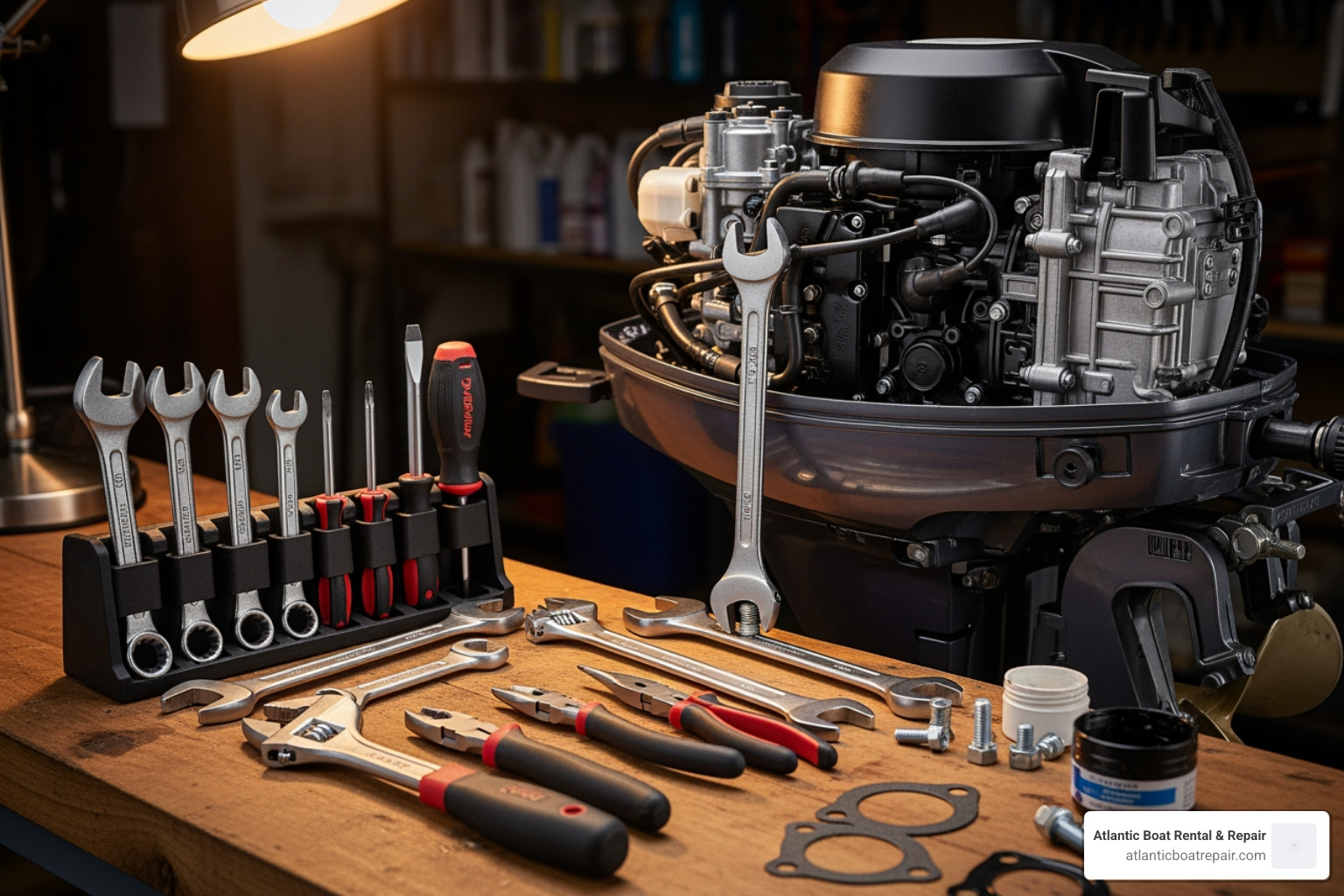
There's a certain satisfaction that comes with fixing things yourself, and basic outboard motor maintenance is no exception. However, knowing when to roll up your sleeves and when to call a professional is crucial for the longevity and performance of your investment.
When considering DIY outboard boat motors repair versus professional service, we often weigh a few factors:
- Cost-Benefit Analysis: Performing basic maintenance yourself can save you money on labor costs. For example, a simple oil change or spark plug replacement is much cheaper as a DIY task. However, attempting complex repairs without the right tools or knowledge can lead to more expensive damage in the long run.
- Skill Level Assessment: Be honest with yourself about your mechanical aptitude. Simple tasks like flushing the engine or checking fluids are accessible to most. More intricate procedures, especially those involving internal engine components or electrical systems, require specialized knowledge and experience.
- Warranty Considerations: Many manufacturers' warranties require that service and repairs be performed by authorized dealers using genuine parts. DIY repairs, or repairs by uncertified mechanics, could void your warranty. Always check your owner's manual!
- Importance of Following Manufacturer Guidelines: Whether you're doing it yourself or hiring a pro, sticking to the manufacturer's recommended maintenance schedule and procedures is vital. This ensures your engine performs optimally and maintains its lifespan. You can find detailed schedules, like the Yamaha Outboard Service Schedule, which outlines tasks at 20, 100, 300, and 500-hour intervals.
[LIST] of DIY-Friendly Maintenance Tasks
We encourage our customers in Plymouth, Kingston, Duxbury, Bourne, and Sandwich to take an active role in their outboard's health through these manageable tasks:
- Flushing the engine: After every use, especially in saltwater, connect "ear muffs" to your engine's water intake and run fresh water through the cooling system for 5-10 minutes. This prevents salt buildup and corrosion, which is a common issue in our coastal environment.
- Changing engine oil (4-stroke): For four-stroke outboards, this is a routine task. Consult your owner's manual for the correct oil type and capacity. Typically done every 100 hours or annually.
- Replacing spark plugs: Over time, spark plugs can foul, leading to poor performance and starting issues. This is a relatively simple task, but ensure you use the correct spark plugs for your specific engine model. The Boats.net 100-Hour Service Checklist provides a good overview.
- Fuel filter replacement: A clean fuel filter is critical for proper engine operation. This task is usually straightforward, but be careful to avoid fuel spills.
- Propeller inspection: Regularly check your propeller for dings, bends, or fishing line wrapped around the shaft. Minor damage can often be repaired, but severe damage warrants replacement.
- Anode checks: Sacrificial anodes protect your engine from corrosion. Inspect them regularly and replace them when they are more than 50% corroded. This is especially important in saltwater.
- Greasing fittings: Locate the grease fittings (often on the tilt/trim mechanism and steering components) and apply marine-grade grease to keep moving parts lubricated and prevent seizing.
When to Seek Professional Outboard Boat Motors Repair
While we love empowering boaters, some issues simply demand the expertise and specialized tools of a professional marine mechanic. Here's when to wave the white flag and bring your outboard to us:
- Engine won't start after basic checks: If you've gone through all the DIY troubleshooting steps (battery, fuel, spark, kill switch) and your engine still won't fire up, there's likely a deeper issue at play that requires diagnostic equipment.
- Internal engine noises: Any knocking, grinding, or persistent clunking sounds coming from inside the engine are red flags. These could indicate serious internal damage to the powerhead or gearcase, which need immediate professional attention.
- Persistent overheating: If your engine continues to overheat even after checking the tell-tale stream and clearing obvious blockages, it might be a deeper cooling system problem, such as a faulty thermostat or a more complex impeller issue.
- Electrical system faults: Modern outboards have complex electrical systems. If you're experiencing intermittent power, dashboard warning lights, or other electrical gremlins, diagnosing these often requires specialized computer diagnostics.
- Gearcase issues: Problems with shifting, grinding sounds from the lower unit, or milky lower unit oil (indicating water intrusion) are signs of gearcase trouble. These are intricate components that require precision outboard boat motors repair.
- Leakdown test failure: If you suspect an internal engine problem, a leakdown test performed by a professional can pinpoint issues with valves, piston rings, or cylinder head gaskets, which are definitely not DIY fixes.
When to Call the Pros: Professional Outboard Boat Motors Repair
When the going gets tough, the tough call a marine mechanic! For complex issues or when you simply prefer peace of mind, professional outboard boat motors repair is an invaluable service. Our team understands that your boat is more than just a vessel; it's your escape, your passion, and sometimes, your livelihood.
The role of a service technician is multifaceted:
- Ensuring Safety and Reliability: Beyond just fixing what's broken, our technicians ensure your outboard motor operates safely and reliably, preventing potential hazards on the water.
- Specialized Tools and Diagnostic Software: Modern outboards are sophisticated machines. They require specialized tools for tasks like compression testing, and advanced diagnostic software to pinpoint electronic issues. We invest in these tools to quickly and accurately identify problems.
- Factory-Trained Technicians: Our technicians are factory-trained, meaning they have received specific education from manufacturers like Mercury and Yamaha. This ensures they know the intricacies of different engine models inside and out. This specialized knowledge is crucial for proper diagnosis and repair, ensuring your engine gets the expert care it deserves.
Comprehensive Services Offered by Marine Mechanics
At Atlantic Boat Rental & Repair, we pride ourselves on offering a full spectrum of services to keep your outboard running at its best. Our goal is to be your trusted partner for all your marine engine needs in Plymouth, Kingston, Duxbury, Bourne, and Sandwich.
- Engine Diagnostics: Using advanced tools, we can quickly and accurately diagnose complex issues, from mysterious power losses to intermittent misfires.
- Fuel System Cleaning and Repair: Addressing issues like clogged fuel injectors, contaminated fuel, or faulty fuel pumps is critical, especially with the prevalence of ethanol in modern fuels.
- Electrical System Troubleshooting: From battery issues to complex wiring problems and sensor failures, we can diagnose and repair all electrical components.
- Water Pump and Thermostat Replacement: Essential for preventing overheating, these routine replacements ensure your cooling system is always up to the task.
- Gearcase and Lower Unit Rebuilds: The lower unit takes a beating! We specialize in gearcase repair and rebuilding, offering a one-set price regardless of internal damage, and even free shipping within the CONUS for these services. We also provide a one-year non-commercial and six-month commercial warranty on our rebuilds. If you need to Request a Quote, don't hesitate to reach out!
- Powerhead Repair and Replacement: For more severe internal engine damage, we offer expert powerhead repair and can install new-like "0" time rebuilt engines, a specialty of ours.
The Value of Expert Outboard Boat Motors Repair
Choosing professional outboard boat motors repair isn't just about fixing a problem; it's about investing in the long-term health and performance of your vessel.
- Precision Tuning: Our expert technicians can fine-tune engine settings, such as carburetor adjustments and ignition timing, to optimize performance and fuel efficiency. This level of precision can make a noticeable difference in how your boat handles and consumes fuel.
- Using Genuine OEM Parts: We understand the importance of quality. That's why we use genuine OEM (Original Equipment Manufacturer) parts, like those for Honda Marine engines, ensuring compatibility, durability, and maintaining your engine's warranty. You can even find parts through our dedicated parts lookup.
- Documented Service History: Professional service provides a documented history of all repairs and maintenance performed. This is invaluable for tracking your engine's health, maintaining resale value, and can even be a requirement for warranty claims.
- Ensuring Safety Compliance: We ensure all repairs meet safety standards and regulations, giving you confidence every time you hit the water.
- Fine-Tuning Carburetors and Ignition Timing: These delicate adjustments are best left to experts who can use specialized tools to achieve optimal engine performance, something a DIY approach might miss.
Frequently Asked Questions about Outboard Motor Care
We hear a lot of questions from boaters about their outboard motors. Here are some of the most common ones, answered by our experts.
How often should I service my outboard motor?
This is a fantastic question, and the answer is crucial for your engine's longevity! Generally, we recommend what's known as a 100-hour service interval, or at least an annual service, whichever comes first. Even if you don't hit 100 hours in a season, an annual check-up is vital, especially when preparing for or coming out of winter storage in Massachusetts.
- Importance of Owner's Manual: Always consult your specific outboard's owner's manual. It's the ultimate authority for your engine's maintenance schedule and will detail specific tasks like oil changes, spark plug replacements, and impeller checks. Resources like the Yamaha Outboard Service Schedule provide excellent examples of detailed maintenance plans.
- Service Intervals for Saltwater vs. Freshwater Use: If you primarily boat in saltwater around Plymouth, Kingston, Duxbury, Bourne, or Sandwich, your engine faces harsher conditions. We recommend more frequent flushing (after every use!) and vigilant inspection of sacrificial anodes. Some components, like water pump impellers, might need replacement more often than the standard recommendation if your engine is frequently exposed to sand or silt.
What is the most common cause of outboard failure?
Hands down, the most common cause of outboard failure we see is fuel-related issues. Modern fuels, particularly those containing ethanol, are a persistent headache for marine engines.
- Ethanol Problems: Ethanol attracts and absorbs water, leading to phase separation in your fuel tank. This water-ethanol mix can corrode fuel system components and cause serious engine damage.
- Water Contamination: Beyond ethanol, water can enter your fuel system through condensation or improper sealing. Water in your fuel can destroy an outboard engine.
- Lack of Regular Maintenance: Neglecting routine tasks like fuel filter replacement allows contaminants to build up, starving your engine of clean fuel.
- Cooling System Failure (Impeller): While fuel is number one, a close second is cooling system failures, often due to a worn or damaged water pump impeller. An overheated engine can quickly lead to catastrophic internal damage. This highlights why regular maintenance, as discussed in guides like Why Maintenance Matters from Yamaha, is so critical.
Can I repair a modern fuel-injected outboard myself?
This is where the line between DIY and professional outboard boat motors repair becomes very clear. While you can handle basic maintenance on a modern fuel-injected (EFI or DFI) outboard, attempting complex repairs yourself is generally not advisable.
- Complexity of Electronic Fuel Injection (EFI): Modern outboards are sophisticated, computer-controlled machines. Their EFI systems rely on numerous sensors, intricate wiring, and a dedicated Engine Control Unit (ECU) to precisely manage fuel delivery and ignition timing.
- Need for Diagnostic Computers: Diagnosing problems in these systems requires specialized diagnostic software and hardware that connect directly to the engine's computer. Without these tools, you're essentially guessing, which can lead to misdiagnosis and further damage.
- Risks of DIY Repair on Modern Engines: Tampering with EFI components without proper training can result in incorrect fuel mixtures, engine damage, reduced performance, or even safety hazards. You could also inadvertently void your warranty.
- When to Consult a Professional: For any issue beyond basic fluid checks, spark plug replacement, or fuel filter changes on a modern fuel-injected outboard, we strongly recommend consulting a professional marine mechanic. They have the training, tools, and experience to correctly diagnose and repair these advanced systems.
Your Next Step for a Reliable Outboard
We've steerd the choppy waters of outboard motor problems, from the simple fix of a kill switch to the complex dance of diagnostic software. The key takeaway is clear: proactive maintenance is your best friend. Regular care not only extends the life of your outboard but also ensures your boating adventures in Plymouth, Kingston, Duxbury, Bourne, and Sandwich are filled with joy, not frustration.
While many routine tasks are within your grasp, recognizing the value of professional expertise for more intricate outboard boat motors repair is paramount. Our team at Atlantic Boat Rental & Repair is here to offer that specialized knowledge, advanced tools, and factory-trained precision.
For major issues, or if you're considering an engine replacement, remember our specialty: we remanufacture and sell "0" time rebuilt outboard engines. These engines are engineered with superior precision—twice manufacturer specs—and rigorously tested for new-like performance and reliability. It's an investment in worry-free boating, giving you confidence in every journey.
Don't let a minor issue become a major headache. Take action today to keep your outboard running smoothly. Explore our full range of services and let us help you stay on the water.
Comments
Be the first to comment on this article!