
Everything You Need to Know About Rebuilt Outboard Motors
Understanding Rebuilt Outboard Motors vs. New and Used
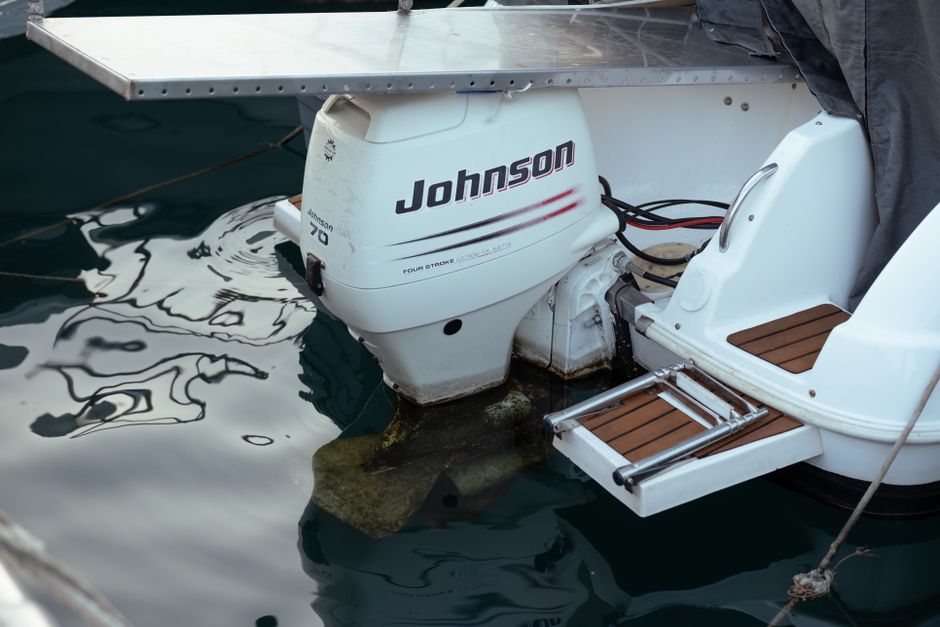
When we talk about rebuilt outboard motors, we aren't just talking about a used engine that got a fresh coat of paint and some new spark plugs. There is a massive technical gap between a "used" motor you find on a classified site and a professionally remanufactured one. In the waters around Plymouth and the South Shore, a "used" motor is often a gamble against years of internal corrosion that you simply cannot see from the outside.
Remanufacturing is a specialized industrial process. It starts with a full teardown of the powerhead. We strip the engine block down to the bare metal, removing every bolt, seal, and internal component. Every single part is cleaned in an industrial ultrasonic tank, inspected for stress fractures, and measured against original equipment manufacturer (OEM) specifications using precision micrometers. If a part doesn't meet those exact tolerances, it’s scrapped immediately.
At Atlantic Boat Rental & Repair, we take this a step further. While the factory might allow for a certain range of deviation, our marine engine services focus on superior precision—often achieving tolerances twice as tight as the original manufacturer specs. This precision machining ensures that the "0" time engine we hand back to you doesn't just run; it performs with the smoothness and reliability of a brand-new unit. We treat every rebuild as if it were going on our own boat for a run out to the Vineyard.
The Difference Between Rebuilt and Refurbished
It’s easy to get caught up in the terminology, but in the shop, these words mean very different things. Understanding these differences can save you thousands of dollars in future repairs.
- Refurbished/Repair: This usually means a technician fixed what was broken. If a piston was scorched, they replaced that piston. The rest of the internal wear parts—like bearings, seals, and rings—might still have 1,000 hours of salt-air abuse on them. This is a "patch job" that often leads to another failure in a different part of the engine shortly after.
- Rebuilt/Remanufactured: This is a comprehensive "zero-hour" reset. We replace all high-wear components regardless of their current condition. This includes new pistons, rings, bearings, gaskets, and seals. We also inspect the water jackets for salt-scale buildup, which is the primary killer of outboards in New England.
We also look for component upgrades. Often, manufacturers release improved parts years after a motor was first built to address known design flaws. During a rebuild, we incorporate these newer, more durable parts, meaning your 2005 motor might actually leave the shop with better internal components than it had when it was originally manufactured.
Why Choose Rebuilt Outboard Motors Over New Models?
The most obvious reason is the bottom line. You can generally expect 35-50% cost savings when choosing a rebuilt motor over a new one. For a 150hp or 200hp engine, that can mean keeping $8,000 to $12,000 in your pocket.
But it’s not just the sticker price of the engine. When you buy a brand-new motor, you often have to deal with "rigging" costs. A new engine might require new digital gauges, new throttle cables, and a new wiring harness because the old analog systems aren't compatible with the new engine's computer. That can easily add another $1,000 to $2,500 to your bill, plus the labor to pull the old wires through your hull.
By choosing rebuilt outboard motors that match your existing setup, you can often bolt the engine right onto your current transom and plug into your existing controls. It’s a faster, cleaner repower that avoids the heavy depreciation hit of a new engine the moment it hits the saltwater. You get the performance you need without the "new boat" price tag.
The Financial and Performance Benefits of Remanufacturing
Let’s look at the numbers. In our experience servicing boats from Kingston to Sandwich, the financial gap is significant. Many boaters find that the cost of a new engine exceeds the total resale value of their boat, making a rebuild the only logical financial choice.
| Engine Type | Estimated Cost (90-115hp) | Rigging Costs | Total Investment |
|---|---|---|---|
| New Engine | $8,000 - $9,500 | $1,000+ | $9,000 - $10,500+ |
| Rebuilt (Dealer) | $3,500 - $4,500 | $0 - $200 | $3,500 - $4,700 |
| Repair Current | $2,500+ | $0 | $2,500+ |
Beyond the initial purchase, there are performance gains to consider. If you are replacing an old carbureted two-stroke with a rebuilt Fuel Injected (EFI) or Direct Fuel Injection (DFI) model, the fuel savings are dramatic. Newer DFI and four-stroke outboards burn 35% to 50% less fuel and reduce emissions by a similar margin. They also start instantly, even on those damp, foggy mornings in Duxbury Bay.

Long-Term Reliability of Rebuilt Outboard Motors
We often hear the concern: "Will it last as long as a new one?" If the rebuild is done correctly, the answer is a firm yes. A remanufactured engine is essentially a new engine inside an existing casing.
Modern rebuilt outboard motors utilize Electronic Fuel Injection (EFI) and advanced power trim systems that were designed for longevity. The key to saltwater durability in New England is the quality of the seals and the corrosion resistance of the coatings used during the rebuild. By using premium OEM parts and high-grade lubricants, a remanufactured engine is built to withstand the harsh conditions of the South Shore for years to come. We focus heavily on the cooling system, ensuring that every passage is clear of the salt-crust that typically causes overheating in older units.
What to Look for When Purchasing Rebuilt Outboard Motors
If you’re shopping for a replacement, don't just look at the price tag. You need to know exactly what happened inside that engine block. A "rebuild" from a backyard mechanic is not the same as a professional remanufacture.
- Warranty Coverage: A reputable builder stands behind their work. Most factory-remanufactured engines, like those from Mercury, come with a one-year limited warranty. This gives you peace of mind during that first critical season on the water.
- Testing Documentation: Ask for the diagnostic reports. You want to see the results of the compression testing and, ideally, a "hot test" report. This proves the engine was tested at operating temperature under a load, not just started on a garden hose.
- Core Charges: Most rebuilt motors require a "core" (your old engine) in exchange. This allows the builder to continue the cycle of remanufacturing. Be sure to check our inventory of available motors to see how core charges might affect your final price.
- Dealer Reputation: Buy from someone who knows the local waters. A shop in a landlocked state might not understand the specific corrosion issues we face in Duxbury or Bourne. Local shops are also there to help if you need a 100-hour service or a quick adjustment mid-season.
Essential Testing and Quality Standards
Quality control is what separates a reliable motor from a headache. At Atlantic Boat Rental & Repair, we don't just "hope" it works. Every engine undergoes a rigorous multi-stage testing process:
- Compression Testing: Ensuring every cylinder is pushing the right amount of air and that the variance between cylinders is within 5%.
- Precision Assembly: Measuring tolerances to twice the manufacturer's requirements. This includes checking crankshaft runout and cylinder bore roundness to the thousandth of an inch.
- Tank and Hot Testing: Running the engine under load in our test tank to ensure the cooling system, oil pressure, and electronics are all functioning perfectly. We monitor the temperature across the entire block to ensure there are no "hot spots" caused by internal blockages.
For those interested in the technical specs of a high-performance remanufactured unit, you can review the Operator's Manual for the 350 MPI Alpha as an example of the standards these engines are built to meet. These engines are complex machines, and they require a disciplined approach to assembly.
Deciding Between Rebuilding Your Current Motor or Buying Rebuilt
This is a common crossroads for our customers. Should you have us rebuild the motor currently on your transom, or should you buy one we already have ready to go? The decision usually comes down to time and the condition of your "core."
Rebuild your current motor if:
- You have a limited budget and can afford a little more downtime during the off-season.
- Your engine block and "core" components are in good shape (no major saltwater corrosion or cracks in the block).
- You know the history of the engine and want to keep it because it has been well-maintained.
Buy a pre-rebuilt motor if:
- You need to get back on the water immediately. We can often swap a motor in a fraction of the time it takes to do a full custom rebuild.
- Your current engine is "blown" or has severe corrosion (like a hole in the block) that makes it un-rebuildable.
- You want to upgrade horsepower or move from a carbureted to an EFI system for better reliability.
Generally, we suggest a "1985 threshold." If your motor is older than 1985, parts are harder to find and the technology is too outdated to justify the cost of a full remanufacture. In those cases, you are better off buying a newer rebuilt model. If you aren't sure where your engine stands, you can request a services quote for your engine and we can help you weigh the options based on the current market value of your boat.
Frequently Asked Questions about Rebuilt Outboard Motors
How long does a rebuilt outboard motor last?
With proper maintenance, a professionally rebuilt motor should have the same service life as a new engine. In freshwater, that can be 1,500 to 2,000 hours. In our saltwater environment around the Cape, longevity depends heavily on how often you flush the engine and keep up with anode replacements. A well-maintained rebuilt motor can easily provide 10-15 years of reliable service for the average recreational boater.
What kind of warranty comes with a remanufactured engine?
Typically, you will see a one-year limited factory or dealer warranty for recreational use. This covers the powerhead and major internal components. Commercial warranties (for workboats or charters) are usually shorter—often around six months—due to the high-hour usage these boats see in a single season.
Are rebuilt motors as fuel-efficient as new ones?
If you are rebuilding a modern DFI or four-stroke engine, yes. They utilize the same fuel-mapping and lean-burn technologies as new models. If you are rebuilding an old 1990s carbureted motor, it will be more efficient than it was when it was "tired" and leaking fuel, but it won't match the 35-50% fuel savings of a modern DFI system. We often recommend upgrading to a rebuilt EFI model if fuel economy is a primary concern.
What is the break-in period for a rebuilt motor?
Just like a new engine, a rebuilt motor requires a break-in period to allow the new rings to seat properly against the cylinder walls. This usually involves 10 hours of varied-throttle operation. We provide a specific break-in schedule with every engine we sell to ensure the longest possible lifespan for your investment.
Conclusion
Choosing between rebuilt outboard motors and new ones doesn't have to be a gamble. For many boaters in Plymouth, Kingston, and across the South Shore, remanufacturing offers the perfect middle ground: the reliability of a new engine without the five-figure price tag. It allows you to keep a boat you love on the water for another decade or more.
At Atlantic Boat Rental & Repair, we take pride in the precision of our work. By holding ourselves to tolerances twice as strict as the original manufacturer, we ensure that your repower is a long-term success. We understand the local conditions and what it takes to make an engine survive the New England salt. If you’re ready to talk about giving your boat a second life, contact us for services. We’re happy to take a look and give you an honest recommendation based on your boat and how you use it.
Comments
Be the first to comment on this article!